A three-coat Drylok system, real moisture control, and a basement that stays clean and dry — not just painted over.
Waterproofing paint gets a bad name because of how it’s usually applied: one thin coat of whatever was on sale, rolled over a damp wall. That’s not what we do.
Our system is three full coats — two coats of Drylok Original followed by a finish coat of Drylok Extreme — applied to properly prepped block. Done this way, the coating is pressure-rated to hold back minor seepage and leaves the wall bright, sealed, and easy to keep clean. For old stone foundations, we use a Kilz stain-blocking approach that handles the discoloration stone walls bleed through ordinary paint.
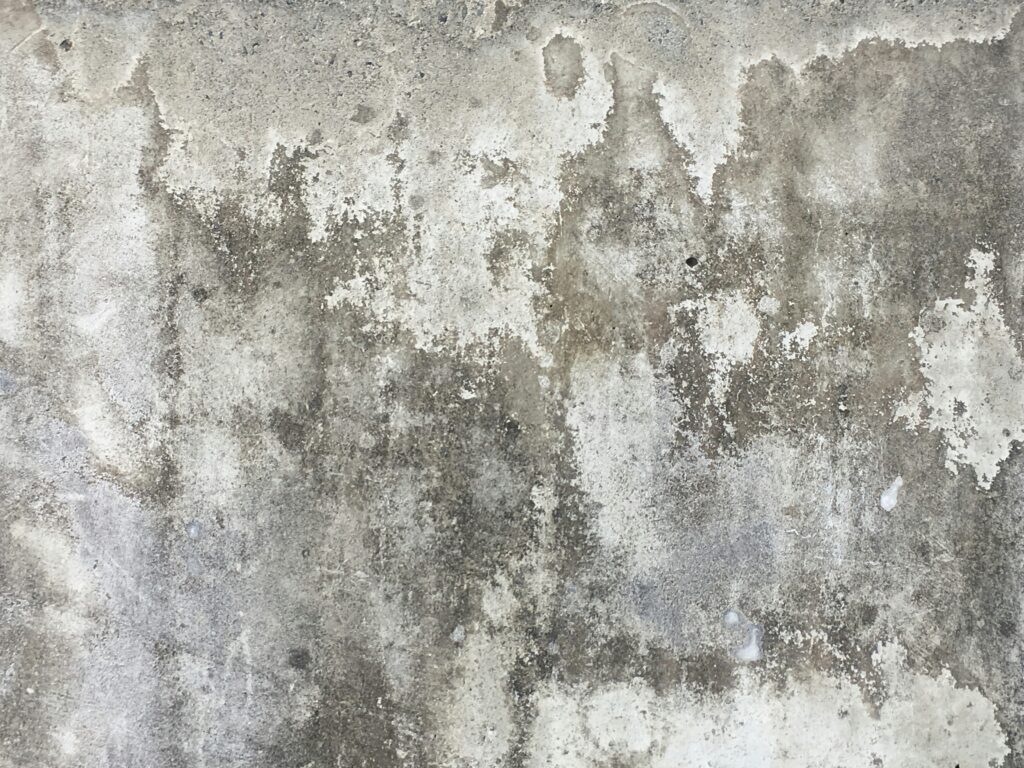
Mold needs moisture. Kill the moisture and you kill the mold — it’s that simple, and that hard. Spraying mold killer on a damp wall is a treadmill; the mold comes back because the water keeps coming.
Real mold prevention in a basement is a system:
If your basement has active water coming in, start with interior drain tile or crack sealing first — paint over an active leak is money wasted, and we’ll tell you so. See how the pieces fit on our basement waterproofing overview.
Bonus: like most of our work, this usually qualifies as a capital improvement in New York State — meaning no sales tax.
The 3-coat Drylok system is rated to hold back minor seepage — damp spots and mild weeping. It is not a fix for active leaks or hydrostatic pressure; that water needs drain tile or a crack repair first. We’ll tell you honestly which situation you have.
One coat looks better; three coats work. Two coats of Drylok Original build the base that fills the block’s pores, and the Drylok Extreme finish coat brings the pressure rating and the cleanable surface. It’s the difference between painting a wall and sealing one.
Stone foundations bleed tannins and minerals through standard coatings. We use a Kilz stain-blocking system designed for exactly that, so the finish stays bright instead of going brown in a year.
First we fix the moisture source — that’s non-negotiable, or the mold returns. Once the basement is dry, cleanup plus the sealed-wall-and-dehumidifier combination keeps it from coming back.
Most waterproofing work qualifies as a capital improvement under New York State rules, which makes it exempt from sales tax. We’ll handle the certificate paperwork with you.
Call 716-471-8389 — we’ll tell you whether paint, drainage, or both is the right answer for your walls.